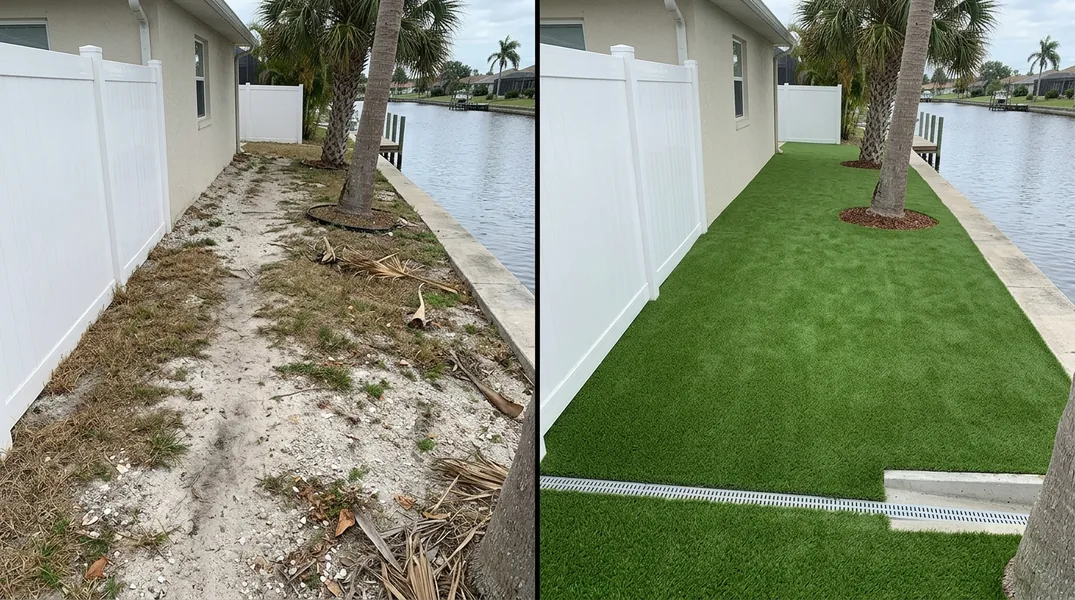
Why Artificial Grass Cleaning Matters in Cape Coral
Living in Cape Coral means enjoying year-round sunshine, beautiful waterfront views, and the convenience of artificial turf. However, the tropical climate and coastal environment present unique challenges for maintaining your lawn. Palm fronds, sea salt residue, pet accidents, and organic debris accumulate faster than many homeowners expect, and without proper artificial grass cleaning, even the highest-quality synthetic turf can develop odors, discoloration, and a worn appearance.
Unlike natural grass that naturally breaks down organic matter, artificial turf requires intentional maintenance to stay fresh and hygienic. The good news is that turf cleaning service in Cape Coral is straightforward when you understand what your lawn faces and how to address it. Whether you installed your synthetic turf yesterday or five years ago, a consistent cleaning routine protects your investment and keeps your outdoor space safe, attractive, and odor-free for your family and pets.
Understanding Palm Debris and Organic Buildup
Cape Coral's lush tropical landscape is one of its greatest assets, but falling palm fronds, seed pods, leaves, and twigs create constant maintenance demands. When these materials land on artificial turf, they don't simply blow away like they might on natural grass. Instead, they settle into the fibers, decompose slowly, and create a layer of organic matter that traps moisture and promotes mold and mildew growth. This organic buildup is particularly problematic during the rainy season, when humidity and standing water accelerate decomposition and create the perfect environment for fungal growth.
Regular turf maintenance starts with removing surface debris at least once a week. A leaf blower works well for loose material, but debris that has settled into the turf fibers requires more thorough attention. Power brooming, a professional cleaning technique, uses specialized equipment to lift and remove compacted debris from deep within the synthetic fibers without damaging the turf backing. This process not only improves the appearance of your lawn but also prevents the accumulation of decaying organic matter that can lead to odor and bacterial issues over time.
Dealing with Salt Film and Coastal Residue
The coastal environment of Cape Coral brings salt spray and mineral deposits that settle on all outdoor surfaces, including artificial turf. Salt film creates a dull, hazy appearance on synthetic grass fibers and can gradually degrade the material if left untreated. Unlike palm debris, salt residue isn't visible as discrete objects. Instead, it forms a thin, crusty layer that dulls the vibrant color of your turf and can feel gritty underfoot. Over months and years, salt accumulation can affect the flexibility of the fibers and contribute to premature wear.
Fresh water rinsing is the most effective way to remove salt film from artificial grass. A thorough rinse with a garden hose, focusing on problem areas, can wash away much of the salt residue. However, for deeper cleaning and to ensure complete removal of mineral deposits, professional turf cleaning service uses specialized equipment and techniques that are more effective than standard hose rinsing. If you've noticed your turf looking dull or feel a grainy texture when walking barefoot, salt buildup is likely the culprit, and a professional cleaning can restore the original luster and feel of your synthetic lawn.
How to Clean Fake Grass from Dog Urine and Pet Odor
Pet owners love artificial turf because it's durable, low-maintenance, and doesn't create muddy patches. However, Pet Turf & Dog Run Installation requires special attention to odor control and sanitation. Dog urine and cat waste break down into ammonia and other compounds that can create persistent odors if not properly managed. Unlike natural soil, which absorbs and naturally processes urine, artificial turf fibers don't absorb liquid in the same way. Instead, urine can pool in the backing layer and create an environment where bacteria thrive, leading to offensive smells that grow stronger over time, especially on warm days.
The key to managing pet odor is prompt action and regular cleaning. Solid waste should be removed immediately, and urine spots should be rinsed with fresh water right away to prevent saturation of the backing. For ongoing odor control, rinse your pet area weekly with a garden hose, directing water flow to flush urine through the turf and backing. For stubborn odors, enzyme-based pet odor neutralizers designed for artificial grass can break down urine compounds and eliminate smells at the source. Professional artificial grass cleaning includes specialized treatments that target pet odor, sanitize the turf, and restore a fresh scent to your outdoor space. If you're struggling with persistent pet odors despite regular rinsing, it's time to call a professional cleaner or contact Cape Coral Artificial Grass Installation at (239) 360-5059 for expert guidance.
Power Brooming: The Professional Cleaning Technique
Power brooming is a professional turf maintenance technique that uses specialized rotating brushes to lift debris from deep within synthetic turf fibers. Unlike a regular broom or leaf blower, which only remove surface material, power brooming agitates the fibers and dislodges compacted dirt, sand, organic matter, and salt residue that have worked their way down into the turf pile. The rotating action also helps redistribute infill material (if your turf uses it) and restores the upright position of the fibers, which improves both the appearance and feel of your lawn.
The benefits of professional power brooming include improved drainage, enhanced color vibrancy, elimination of matted areas, and reduction of odor-causing bacteria. For homeowners in Cape Coral with heavy palm debris, coastal salt exposure, or active pets, power brooming should be part of a regular maintenance schedule. Most professionals recommend power brooming at least twice a year, with additional sessions during heavy shedding seasons. The process is safe for all types of synthetic turf when performed by trained technicians, and the results are immediately visible and long-lasting. If your turf looks dull, feels matted, or smells stale despite regular rinsing, power brooming can restore it to like-new condition.
Creating a Year-Round Cleaning Schedule for Cape Coral Turf
Consistent maintenance is the key to keeping artificial grass clean, fresh, and attractive throughout the year. In Cape Coral's tropical climate, a year-round cleaning schedule should account for seasonal variations in debris, weather patterns, and usage. During the dry season (November through April), focus on removing palm debris and salt residue with regular rinsing and occasional power brooming. During the rainy season (May through October), increase rinsing frequency to prevent water pooling and bacterial growth, and monitor pet areas closely for odor issues.
A simple maintenance routine includes weekly debris removal with a leaf blower, weekly rinsing of the entire lawn with a garden hose, immediate cleanup of pet waste, and monthly enzyme treatments for pet areas. Professional power brooming should be scheduled twice yearly, ideally in spring and fall, to address deep-seated debris and restore turf appearance. For Residential Artificial Grass Installation owners who want professional support, Cape Coral Artificial Grass Installation offers comprehensive turf cleaning service tailored to your lawn's specific needs. Whether you have questions about your cleaning routine or want to schedule a professional cleaning, contact us at (239) 360-5059 or request a free estimate to discuss your turf maintenance needs.
Looking for a professional artificial grass installation company in Cape Coral? Cape Coral Artificial Grass Installation responds fast for all your artificial grass installation needs.
Get a Free Quote