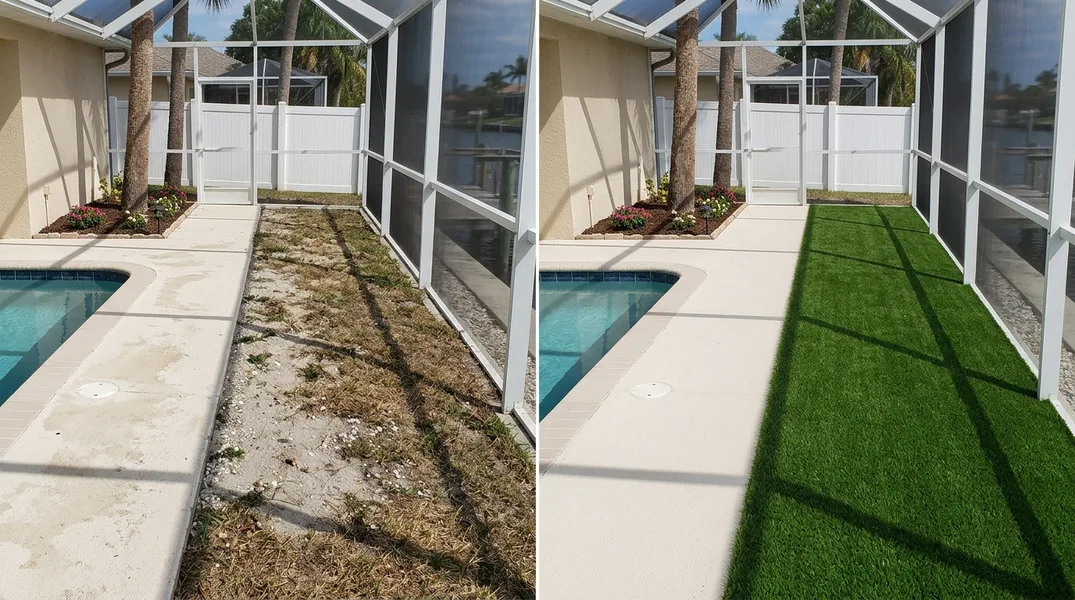
Understanding HOA Regulations for Artificial Grass in Lee County
If you own a home in Cape Coral within a homeowners association, you've likely wondered whether you can install Residential Artificial Grass Installation in your front yard. The answer isn't always straightforward. Lee County and its various HOAs have different rules governing landscape modifications, and artificial turf falls into this category. Most HOAs in the area have architectural review committees that oversee changes to the exterior appearance of properties, including lawn replacements.
The reason HOAs maintain these guidelines is to preserve property values and maintain a consistent aesthetic throughout the community. However, many Lee County HOAs have become increasingly receptive to artificial grass over the past decade as homeowners have recognized its benefits for water conservation, low maintenance, and year-round appearance. Before you assume your HOA will reject an artificial grass proposal, it's worth understanding what your specific community's bylaws actually say. Some HOAs explicitly permit synthetic turf, while others require case-by-case approval. The key is knowing your rules and following the proper submittal process.
Reviewing Your HOA's Covenants and Architectural Guidelines
Your first step should be to carefully review your HOA's governing documents. These typically include the Declaration of Covenants, Conditions, and Restrictions (CC&Rs), as well as any supplemental architectural guidelines. Your HOA should provide these documents to you upon request, and many associations now post them on their community websites. Look specifically for language about landscape modifications, lawn materials, and what types of materials are permitted in front yards. Some HOAs may have blanket prohibitions on artificial surfaces, while others may allow them but require specific brands or installation standards.
Pay close attention to any language about natural grass requirements or live vegetation mandates. These terms can be deal-breakers, though modern HOA amendments increasingly recognize artificial grass as an acceptable alternative. If your documents mention that all lawns must be maintained or green but don't specifically prohibit synthetic materials, you may have a stronger case for approval. It's also worth noting that Florida state law generally favors water conservation, and some HOAs have updated their rules to reflect this priority. If you're uncertain about how to interpret your documents, don't hesitate to contact your HOA management company for clarification before investing time in a formal submittal.
The Artificial Grass HOA Submittal Process in Cape Coral
Most HOAs in Cape Coral require homeowners to submit an Architectural Modification Request or similar form before making exterior changes. For artificial grass installations, you'll typically need to complete this form and include supporting documentation. The HOA wants to see what you're proposing, how it will look, and how it meets community standards. Start by requesting the official submittal form from your HOA management company. This form usually asks for a detailed description of the project, the location on your property, and materials you plan to use.
When submitting your artificial grass proposal, include product specifications, samples if possible, and professional renderings or photos showing how the installation will appear. Many HOAs appreciate seeing comparable installations in similar communities or even in their own neighborhood. If you're working with a professional installer like Cape Coral Artificial Grass Installation, ask them to provide technical documentation about the turf product, drainage system, and installation method. This demonstrates that your project is thoughtfully planned and meets quality standards. Include information about the artificial grass manufacturer's warranty and maintenance requirements. The more thorough and professional your submittal, the more seriously the architectural review committee will consider your request.
Front Yard Artificial Grass: Key Approval Considerations
Front yard installations face more scrutiny than backyard projects because they directly affect the streetscape and community appearance. The architectural review committee will evaluate whether your artificial grass choice complements existing landscaping, matches the aesthetic of neighboring properties, and maintains property values. This is why selecting a high-quality, realistic-looking artificial turf is crucial. Cheap, plastic-looking synthetic grass is far more likely to be rejected than premium turf that closely resembles natural grass. When you get a free estimate from a local installer, ask specifically about products that have been approved by other HOAs in Lee County.
HOAs typically want to see that your front yard installation will include proper edging, appropriate landscaping borders, and integration with existing hardscaping. A front yard that's entirely artificial grass with no softening elements may be viewed less favorably than one that combines turf with mulch beds, shrubs, or decorative borders. Consider proposing a design that maintains some visual interest and complements your home's architecture. Additionally, some HOAs have specific concerns about drainage and water runoff. Ensure your installer explains how the artificial grass system handles rainfall and that it meets local drainage requirements. This is especially important in Cape Coral, where proper drainage is essential due to the local climate.
Common HOA Objections and How to Address Them
Understanding common objections can help you craft a stronger proposal. One frequent concern is that artificial grass looks plastic or fake. Address this by specifying a high-end product with natural color variation and realistic blade texture. Another objection relates to heat retention, particularly in Florida's climate. Modern artificial grass is designed to manage heat better than older products, and you can mention cooling technologies or suggest strategic placement of shade-producing plants. Some HOAs worry about environmental impact, but you can counter this by emphasizing water conservation benefits and explaining that quality artificial grass is recyclable and reduces chemical pesticide use.
Drainage is another common concern, especially in areas prone to flooding or standing water. Work with your installer to provide detailed information about the drainage system, including permeability rates and how water will be managed. If your HOA has had negative experiences with poorly installed artificial grass, acknowledge this and explain how professional installation differs from DIY projects. Finally, some HOAs simply need time to adjust to the idea. If your initial submittal is denied, ask for specific feedback and consider resubmitting with modifications. Many HOAs are willing to reconsider proposals that address their stated concerns.
Working With Professional Installers to Support Your HOA Approval
Partnering with an experienced, professional installer can significantly improve your chances of HOA approval. Cape Coral Artificial Grass Installation has extensive experience working with local HOAs and understands the specific requirements and preferences of architectural review committees in Lee County. Professional installers can provide the technical documentation, product samples, and design renderings that HOAs expect to see. They can also answer specific questions about installation methods, warranty coverage, and long-term maintenance, which demonstrates credibility and professionalism to your HOA.
When you contact a local installer for a consultation, mention that you need HOA approval and ask whether they have experience with similar projects in your community. They may even have photos of previously approved installations you can reference. A professional installer can also help you understand local building codes and ensure your project complies with all applicable regulations. If you're ready to move forward with your artificial grass project, contact Cape Coral Artificial Grass Installation at (239) 360-5059 to discuss your HOA situation and receive guidance on the approval process. Having a knowledgeable professional in your corner makes the entire process smoother and more likely to succeed.
Looking for a professional artificial grass installation company in Cape Coral? Cape Coral Artificial Grass Installation responds fast for all your artificial grass installation needs.
Get a Free Quote